How Does Panel Spacing Impact Residential Solar Output?
February 12, 2026
Solar panel spacing plays a central role in determining how effectively a residential system converts sunlight into usable power. The distance between each panel influences shading, airflow, cooling, and the overall performance of the array throughout the year. Even a well-installed system with strong sunlight access can underperform when panels sit too close together. Thoughtful spacing helps homeowners maximize energy production, protect panel durability, and reduce system losses. Portable options such as the Anker SOLIX PS400 Portable Solar Panel introduce further flexibility, allowing users to position panels independently, adjust tilt angles, and maintain ideal spacing without roof limitations. Understanding these spacing principles is essential for optimizing system output and long-term value.
How Spacing Reduces Shading and Improves Direct Sun Exposure?
Panel Rows Benefit from Adequate Distance Throughout the Day
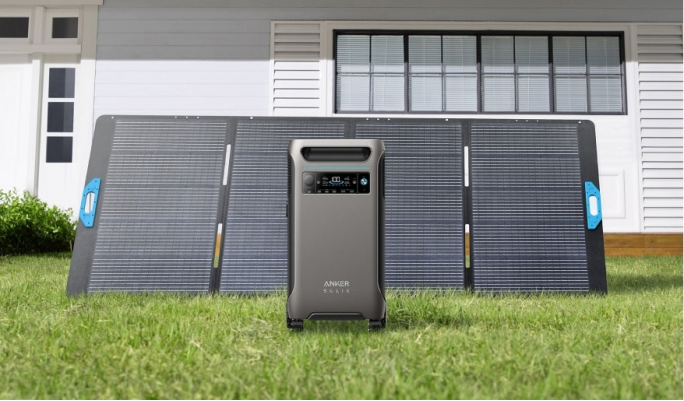
Residential installations often include multiple rows of panels arranged across the roof. If rows sit too close together, the row in front casts shadows on the panels behind it—especially in the early morning and late afternoon when the sun sits low in the sky. These shadows significantly reduce energy output because even partial shading can disrupt power production across several connected modules. Installers calculate spacing based on roof angle and latitude to minimize these losses. Homeowners who use portable options such as the Anker SOLIX PS400 gain even more control. They can position the panel independently on open ground or other sunlit surfaces, allowing generous spacing between units to avoid shadows from trees, nearby walls, or other objects. This ability to freely distribute panels across a yard or patio supports stronger and more consistent daily output.
Seasonal Sun Angles Influence How Much Space Panels Need
The height of the sun changes dramatically through the year, which means panel spacing must accommodate winter’s low sun angle. Panels spaced tightly may perform adequately in summer but lose significant output when winter shadows lengthen. Professional installers account for this seasonal change by adding extra distance between rows to ensure year-round performance. Portable panels simplify seasonal adjustments. Because the PS400 includes four preset tilt angles—30°, 40°, 50°, and 80°—users can lift the panel higher in winter to catch stronger light and reduce shading interference from nearby objects. Adjusting both spacing and tilt helps maintain reliable production across different seasons, increasing the stability of the home’s solar availability.
Obstructions Require Additional Spacing to Maintain Output
Chimneys, skylights, satellite dishes, vent pipes, and neighboring buildings can cast unpredictable shadows. Correct spacing helps minimize their impact. When panels sit too close to these obstructions, shadows frequently overlap, reducing array efficiency throughout the day. Installers often widen spacing or shift panel placement to keep shadows away from the most productive modules. Portable systems add more flexibility by eliminating fixed-roof constraints. Users can unfold the PS400 and place it in open areas of the yard that receive full sun, completely bypassing obstructions that affect rooftop installations. This flexibility enhances the usability of solar where roof features or nearby structures limit fixed panel spacing.
How Panel Spacing Supports Cooling, Efficiency, and Long-Term Performance?
Air Circulation Around Panels Protects Efficiency
Solar panels generate heat when exposed to strong sunlight. Without proper airflow, temperatures rise and reduce efficiency, leading to lower power output. Adequate spacing between panels and sufficient clearance underneath support natural cooling, allowing heat to dissipate more effectively. Rooftop panels typically require a ventilation gap to prevent overheating. Freestanding setups, such as portable panels, benefit even more from open-air placement. The Anker SOLIX PS400 unfolds into a structure that naturally allows air to circulate around all surfaces, reducing heat buildup and supporting sustained high performance. Its monocrystalline cells operate more efficiently when kept cool, helping users achieve stronger charging speeds during extended sunlight exposure.
Larger Arrays Need Wider Spacing to Avoid Hot Spots
When panels sit too close together, heat can concentrate in the spaces between them, creating localized “hot spots.” These hot spots can reduce output and stress the solar cells. By widening the distance between panels, installers promote consistent temperatures across the array, improving both performance and longevity. Portable panels avoid this problem entirely because users can place units as far apart as needed. The PS400’s lightweight folding design makes relocation simple, and its IP67 waterproof construction allows outdoor use in various environments. Whether on a driveway, grass, or elevated surface, maintaining open spacing helps maximize stable charging speeds throughout the day.
Proper Spacing Improves System Maintenance and Adjustments
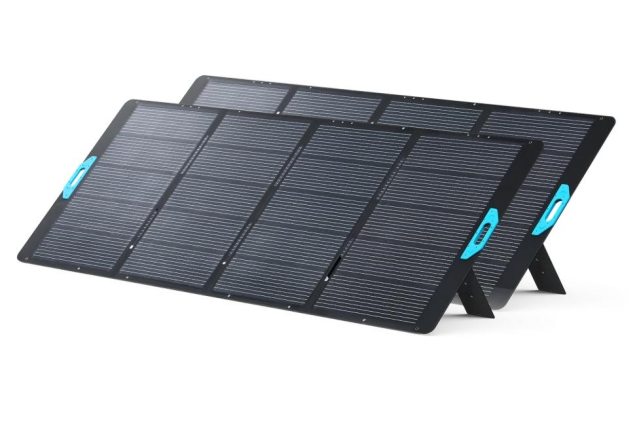
Panels require periodic cleaning and inspection. Tight clustering makes maintenance more challenging and increases the risk of stepping on frames or damaging wiring during servicing. With adequate spacing, technicians can safely access each module. Homeowners using portable panels have even more convenience. The PS400 folds into a compact 39 × 26.6 × 2 in form and unfolds to a wide surface when in use, making it easy to clean, reposition, or transport as needed. This level of accessibility ensures the panel remains in optimal condition without the structural limitations of rooftop installations. Flexible spacing reduces maintenance strain and supports long-term performance stability.
Conclusion
Panel spacing is a critical but often overlooked factor in determining how productive and efficient a residential solar system can be. Adequate spacing helps prevent shading, accommodates seasonal sun angles, improves airflow, reduces temperature-related losses, and supports safer maintenance. While rooftop installations follow strict spacing calculations based on roof shape, latitude, and structural features, portable solutions offer far more flexibility. The Anker SOLIX PS400 Portable Solar Panel allows homeowners to place panels at optimal distances, adjust tilt angles, and take advantage of full-sun positions across open outdoor spaces. When families understand the importance of spacing and apply smart placement strategies, panels solar home setups become more efficient, reliable, and resilient across changing weather and seasonal conditions.