Why Is Whole-Home Backup a Smart Long-Term Investment?
February 28, 2026
Reliable electricity is the foundation of modern home life—powering everything from refrigerators to routers and medical devices. When outages stretch beyond a few hours, comfort quickly turns to stress. Many homeowners once treated backup power as an emergency afterthought, but changing weather patterns and rising energy demand have made resilience a long-term priority. A whole-home approach offers more than temporary relief; it delivers consistent protection and lasting value. This article examines the practical, everyday advantages of investing in whole-home backup systems.
1. Protects Against Longer, More Frequent Outages
Storms and Grid Failures Now Last Days
Power interruptions today often last longer than expected. Severe storms, fallen trees, or equipment failures can leave neighborhoods without electricity for days rather than hours. During extended outages, refrigerators warm, frozen food spoils, and indoor temperatures become uncomfortable. Families may scramble to find hotels or rely on limited community resources. These disruptions affect not only comfort but also work schedules, school routines, and household safety. Preparing for multi-day outages means ensuring that essential appliances can continue running without interruption. A whole-home system provides stability that matches the reality of longer, less predictable power events.
Whole-Home Systems Run Everything Automatically
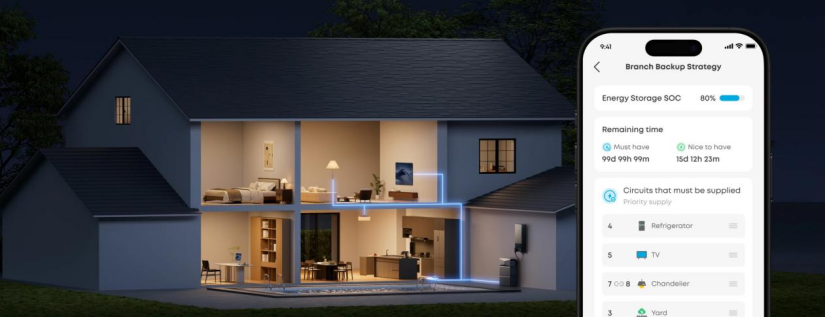
Modern whole-home systems are designed to respond immediately when grid power fails. Instead of manually starting a generator or plugging in extension cords, electricity is redirected seamlessly to prioritized circuits. Essential appliances such as refrigerators, HVAC systems, lighting, and Wi-Fi remain operational without noticeable delay. Some advanced solutions, including the Anker SOLIX E10, are built to manage multiple home circuits intelligently and can deliver up to 7.6 kW of continuous output to support everyday needs. This level of coordination allows heating, cooling, and communication devices to function together rather than competing for limited power. For households seeking simplicity, automatic operation removes stress during already challenging moments.
2. Adds Resale Value to Your Home
Backup Power Appears on Buyer Wish Lists
Homebuyers increasingly look for features that enhance resilience and efficiency. Backup power systems now appear alongside updated kitchens and energy-efficient windows on many wish lists. Prospective buyers recognize that electricity disruptions can affect comfort and productivity. A home power battery backup signals that the property is prepared for unexpected events. This perception of preparedness can make a home stand out in competitive markets. Investing in whole-home backup today may influence buyer decisions years later.
Homes With Systems Sell Faster and For More
Properties equipped with integrated backup systems often generate stronger interest during showings. Buyers appreciate the reassurance of uninterrupted refrigeration, climate control, and connectivity. A whole-home installation eliminates the need for future owners to research and purchase their own equipment. In many cases, convenience and security justify a higher asking price. Faster sales and improved negotiation leverage can offset the initial system investment. Viewed from a long-term perspective, backup power contributes not only to comfort but also to property value.

3. Pairs With Solar for Long-Term Savings
Store Free Daytime Energy for Night Use
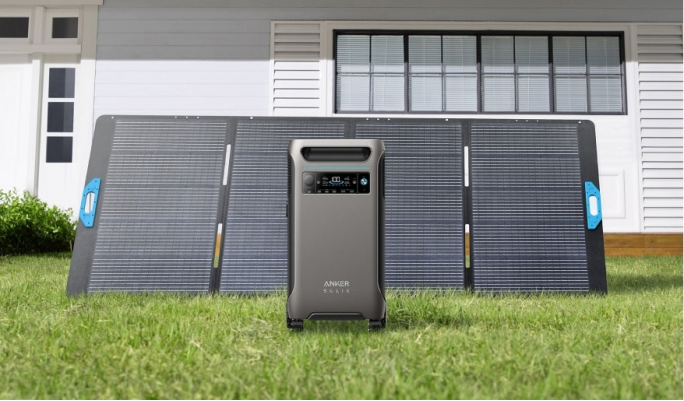
Solar panels generate electricity during daylight hours, but without storage, excess energy may go unused. Adding battery capacity allows homeowners to store surplus solar production for evening consumption. This reduces reliance on grid electricity during peak hours. A coordinated system can automatically direct stored power to essential appliances after sunset. Over time, using self-generated energy more efficiently lowers monthly utility expenses. Integrating solar with backup capability transforms renewable energy from a daytime benefit into a round-the-clock resource.
Lock in Power Costs As Rates Rise
Electricity rates tend to fluctuate, and long-term planning benefits from stability. A system that stores energy during lower-cost periods and supplies it during higher-cost times helps manage expenses. By pairing solar generation with battery storage, homeowners gain greater control over when and how energy is used. This flexibility can soften the impact of rising utility bills. In addition to outage protection, whole-home backup becomes part of a broader energy strategy. Predictable power access supports both financial planning and everyday comfort.
4. Eliminates Fuel, Noise, and Maintenance
No Gas Runs, Oil Changes, or Winterizing
Traditional fuel-based generators require regular maintenance. Owners must store gasoline, perform oil changes, and ensure the unit remains functional throughout the year. During emergencies, fuel may be difficult to obtain. Battery-based systems remove these logistical challenges. They recharge automatically from the grid or solar panels and require far less hands-on upkeep. Reducing maintenance tasks makes backup power feel like a permanent solution rather than a seasonal chore.
Silent Operation and Zero Emissions
Noise can become a significant concern in residential neighborhoods. Fuel generators often produce loud engine sounds that disturb both households and neighbors. Battery systems operate quietly, allowing normal conversation and sleep during outages. The absence of direct emissions also makes them suitable for indoor-adjacent installation. Cleaner and quieter operation aligns with modern expectations of comfort and convenience. Over time, these qualities enhance daily living rather than simply serving as emergency features.
Conclusion
Whole-home backup systems represent more than emergency preparedness. They protect households from extended outages, support property value, integrate seamlessly with solar energy, and reduce ongoing maintenance concerns. By delivering automatic operation and steady performance, they provide consistency during uncertain situations. For homeowners evaluating long-term investments, reliability and resilience are increasingly important considerations. A thoughtfully chosen system supports comfort, financial stability, and future resale potential. Viewed through the lens of everyday life, whole-home backup stands out as a practical and forward-thinking home upgrade.